
Hochschule Geisenheim University Inspires Young Researchers with KINDERUNI 2026
| Geisenheim, Germany – August 2026 |
Discovering science through experimentation, curiosity and hands-on learning
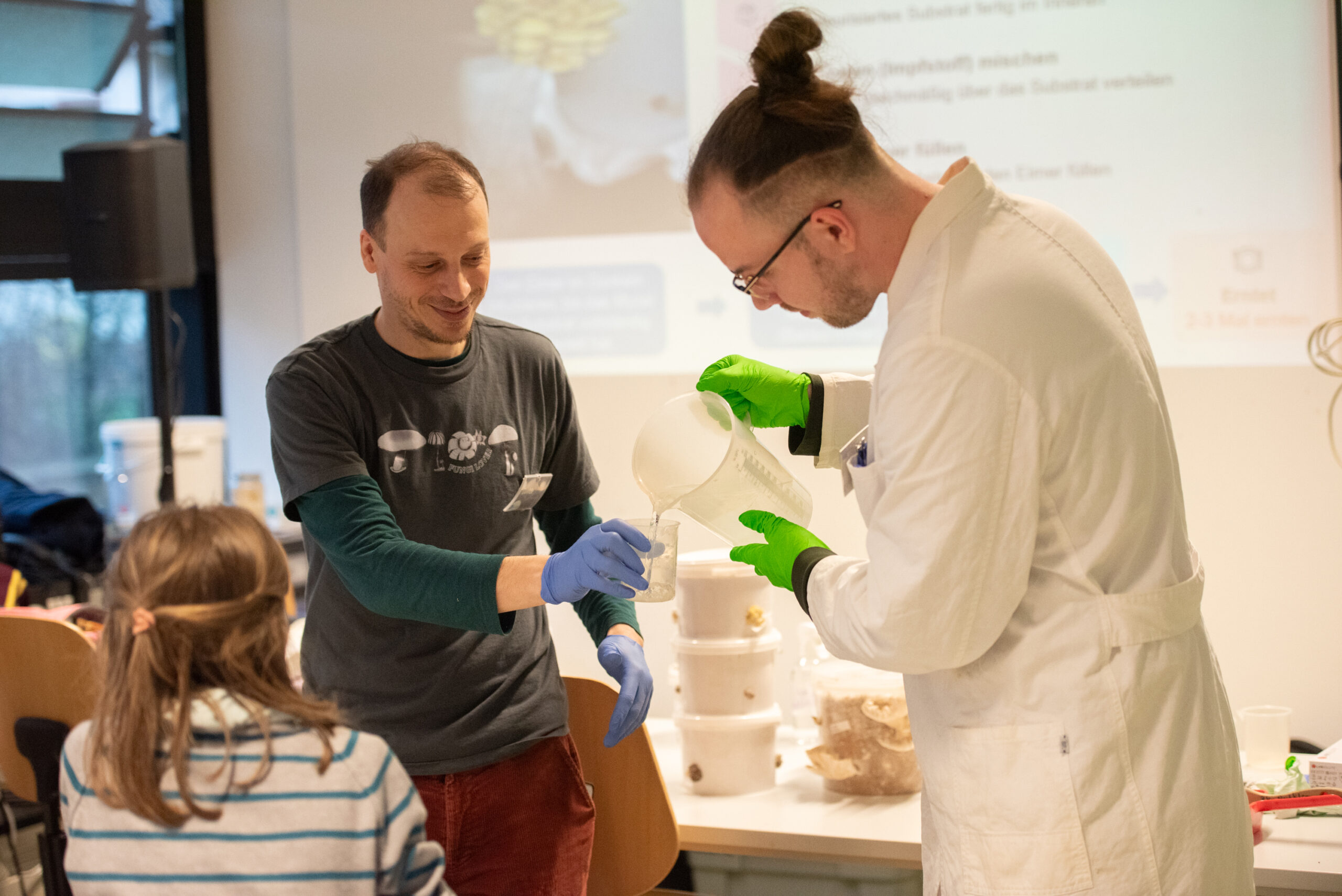
How do mushrooms live? What makes our hands warm when we rub them together? Where do tomatoes and cucumbers come from? And what can engineers learn from nature?
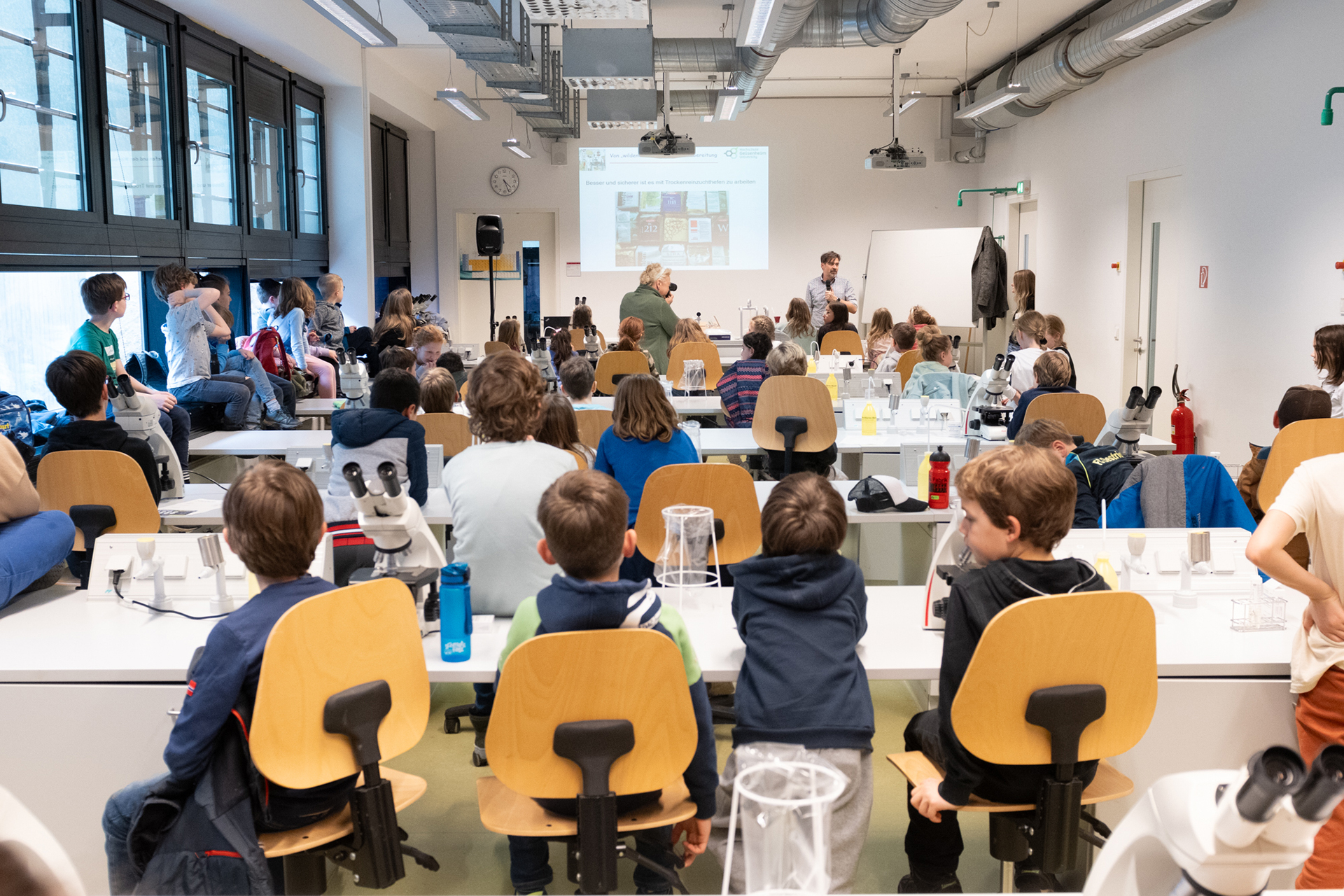
These are just some of the questions explored by young participants in the KINDERUNI 2026 programme at Hochschule Geisenheim University. Designed for children in grades 3 to 6, the initiative offers an engaging introduction to science, technology and the world of food and plants through interactive lectures, experiments and hands-on activities.
The programme is organised by Hochschule Geisenheim University in cooperation with the VDI Rheingau-Bezirksverein and consists of eight events held throughout the year. Each session gives children the opportunity to explore a different scientific topic and experience university-level research in an age-appropriate and accessible way.
Science comes to life
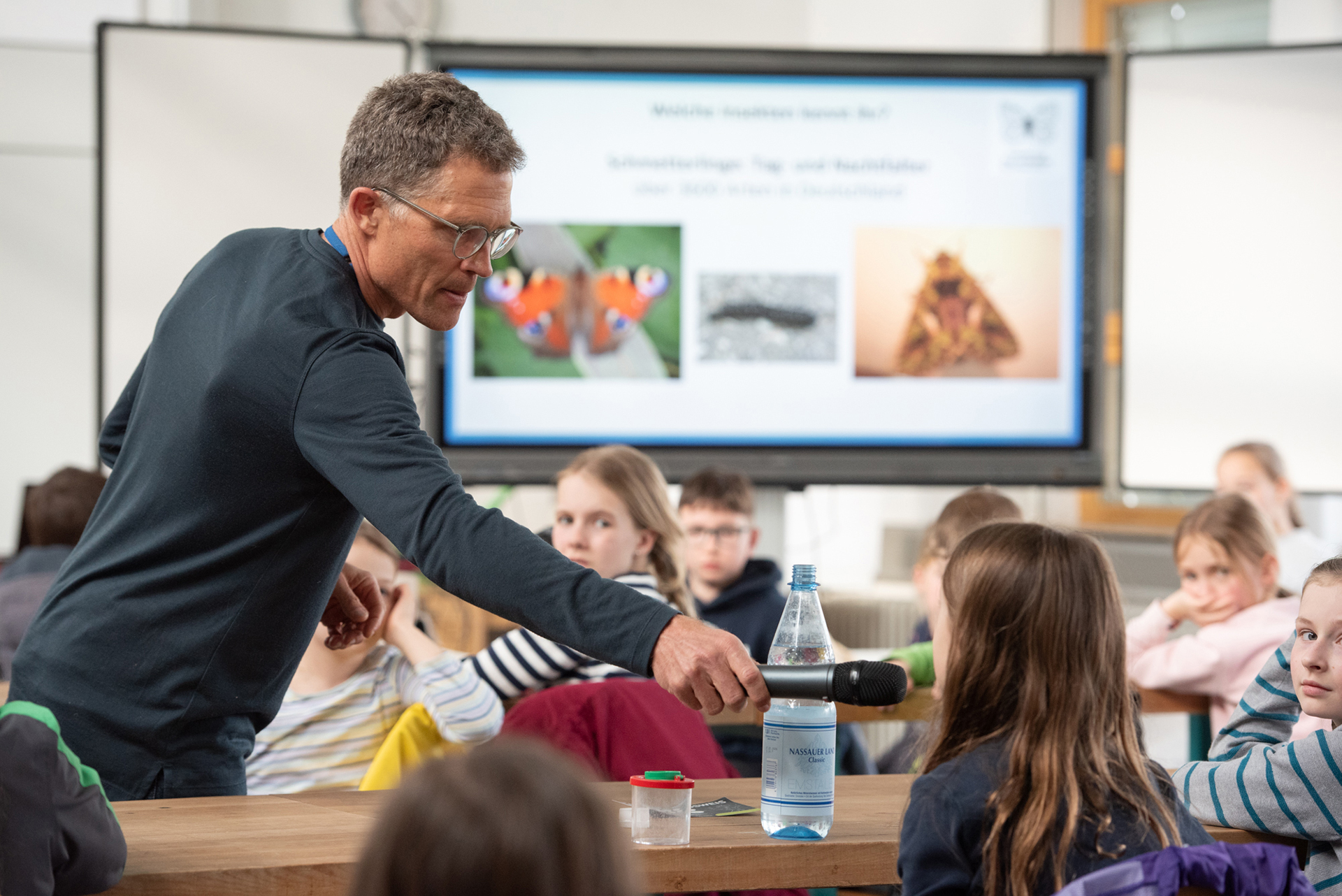
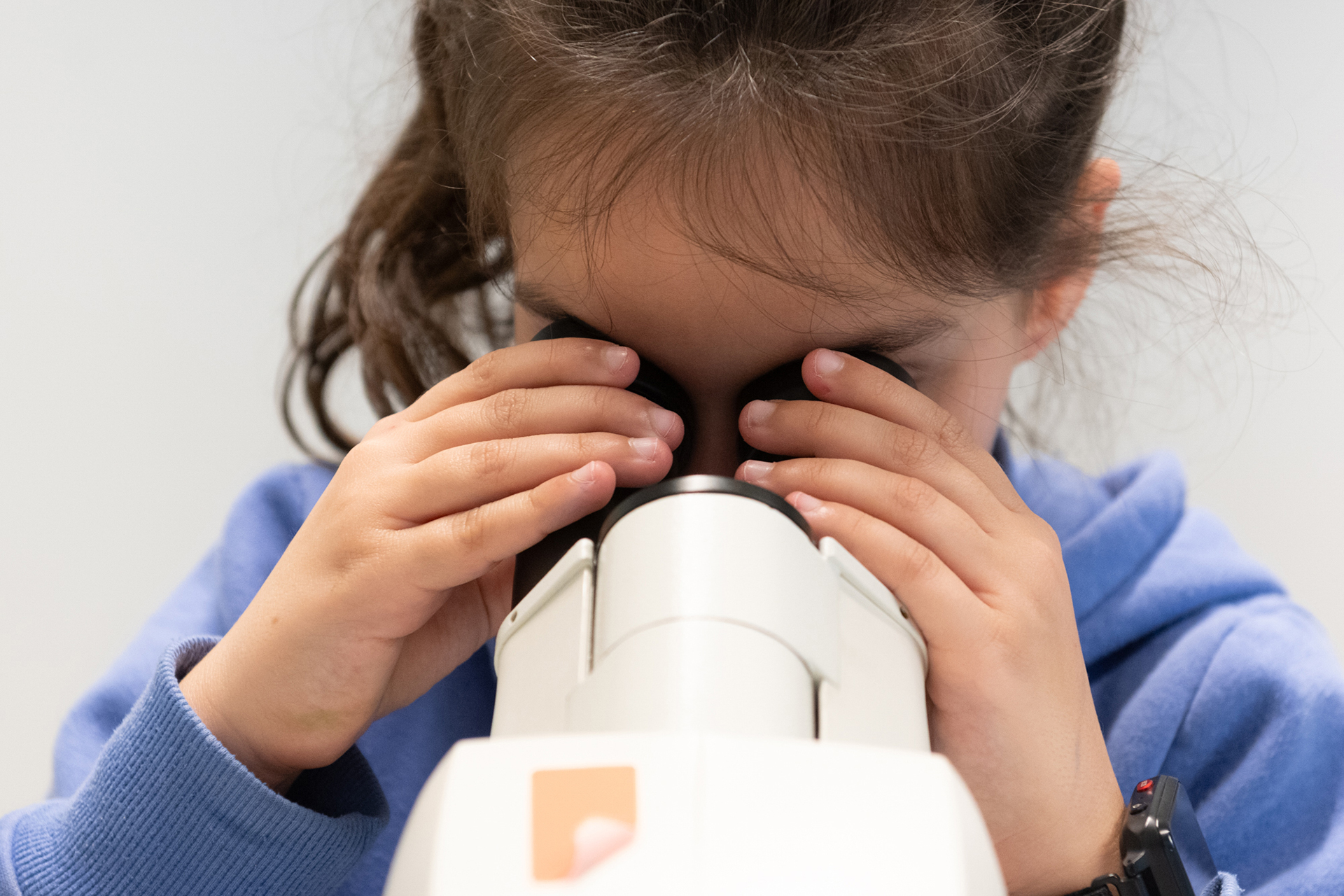
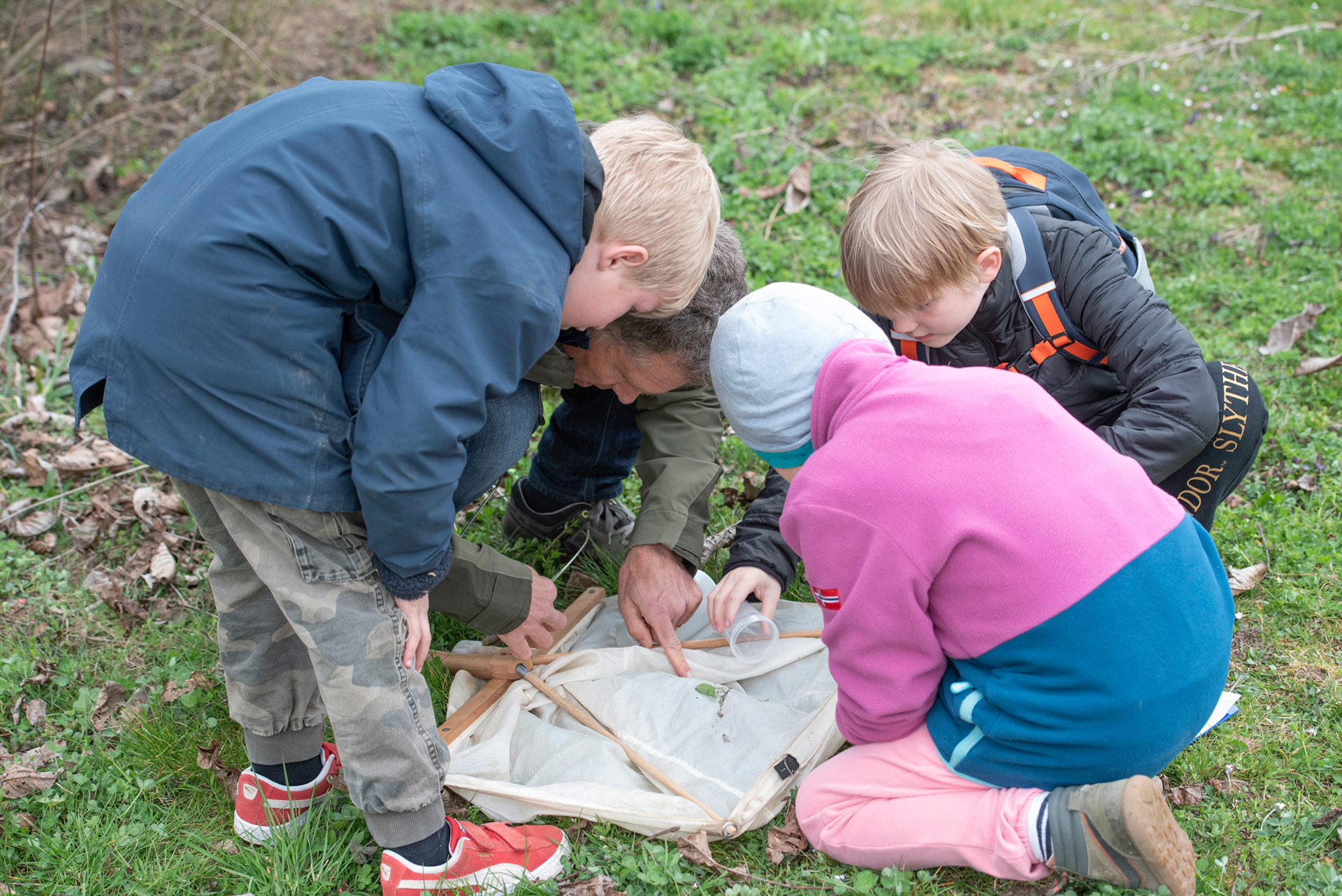
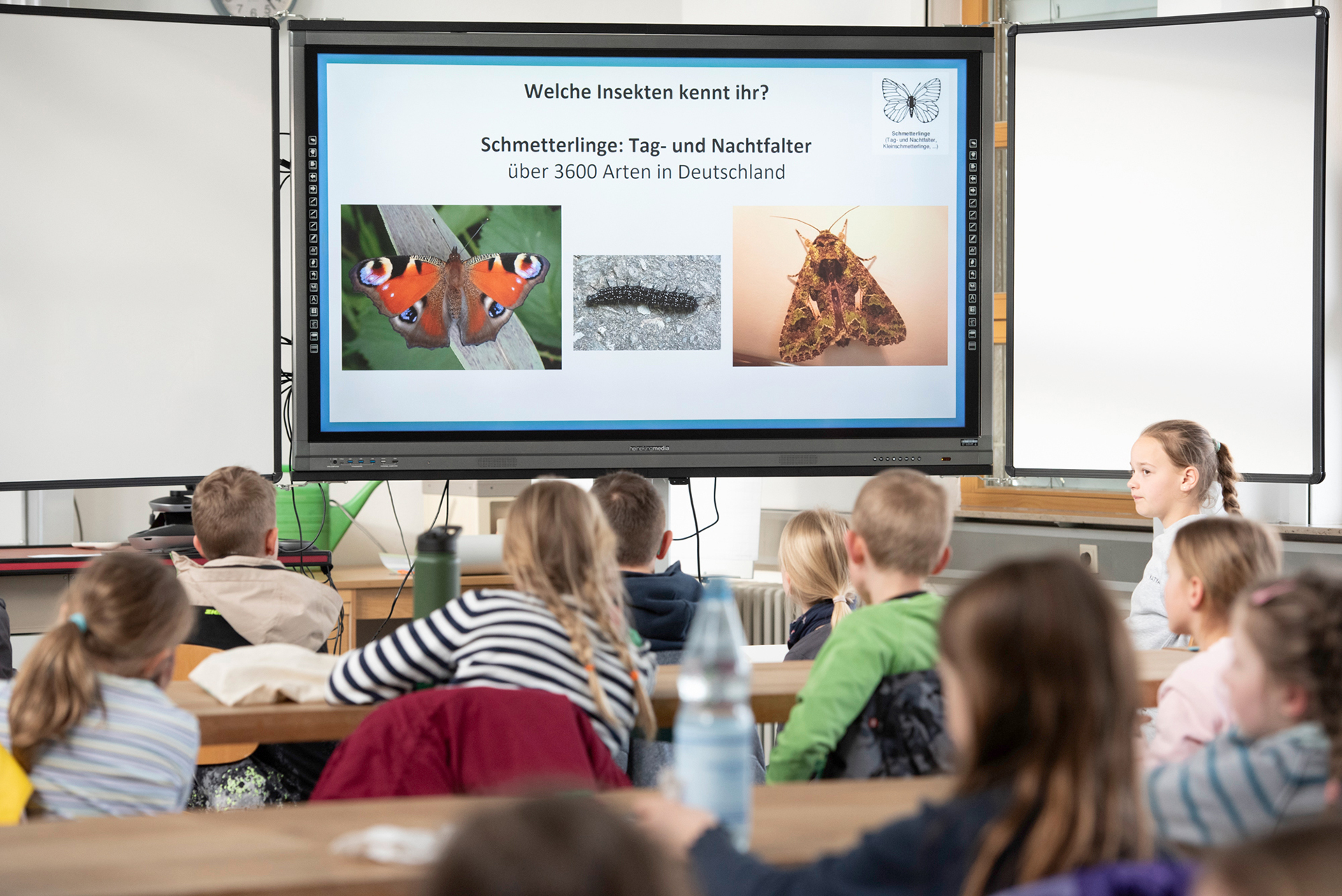
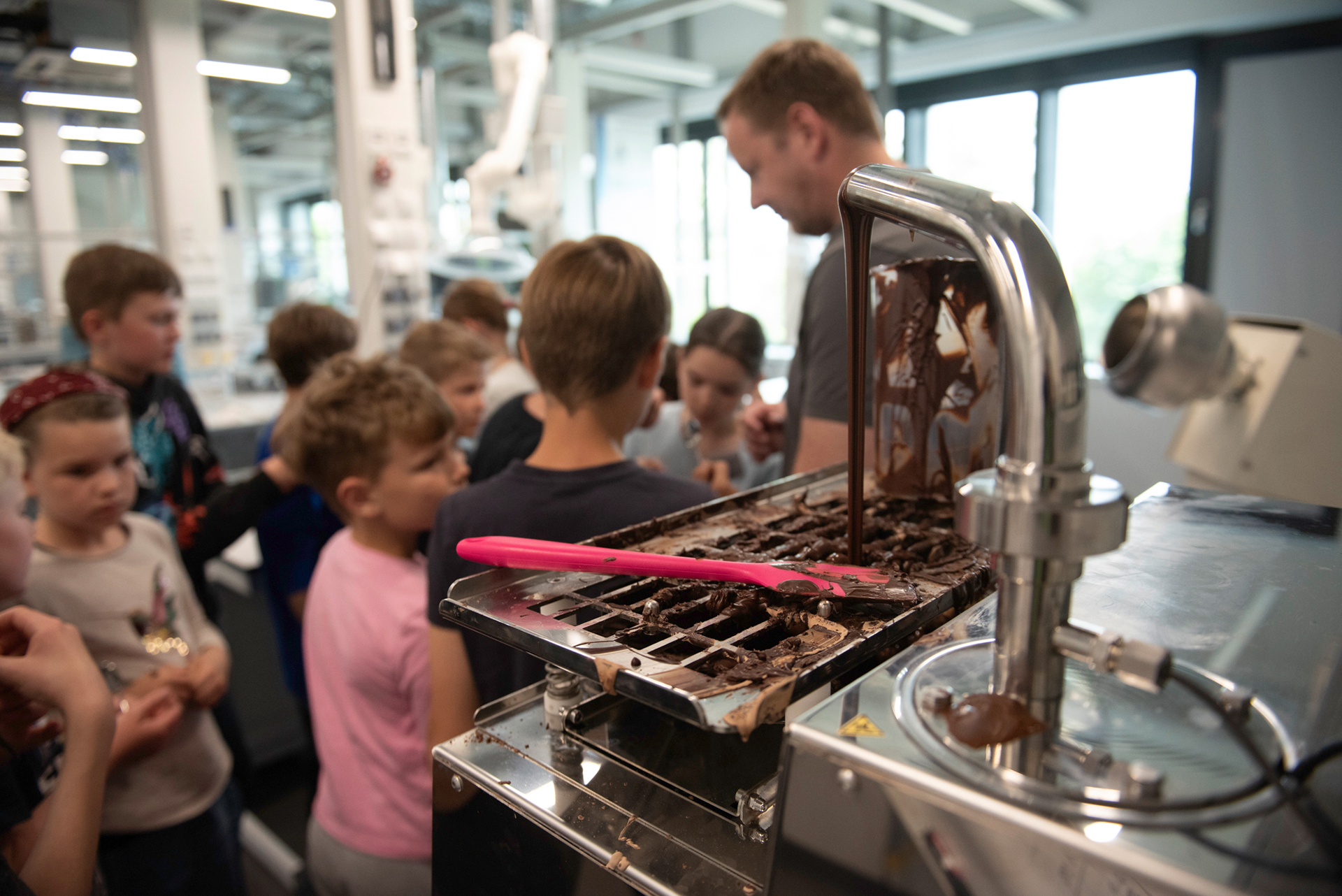
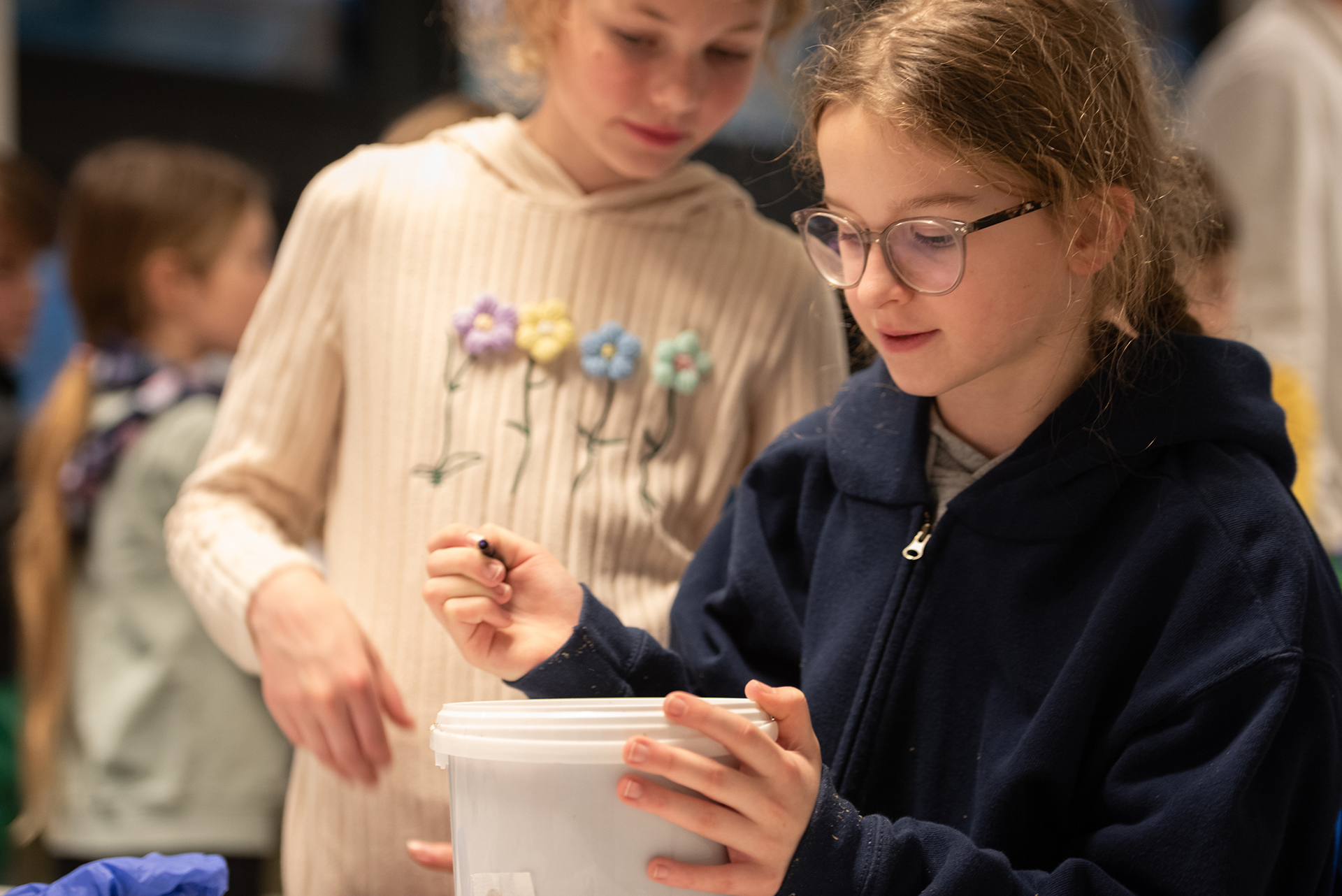
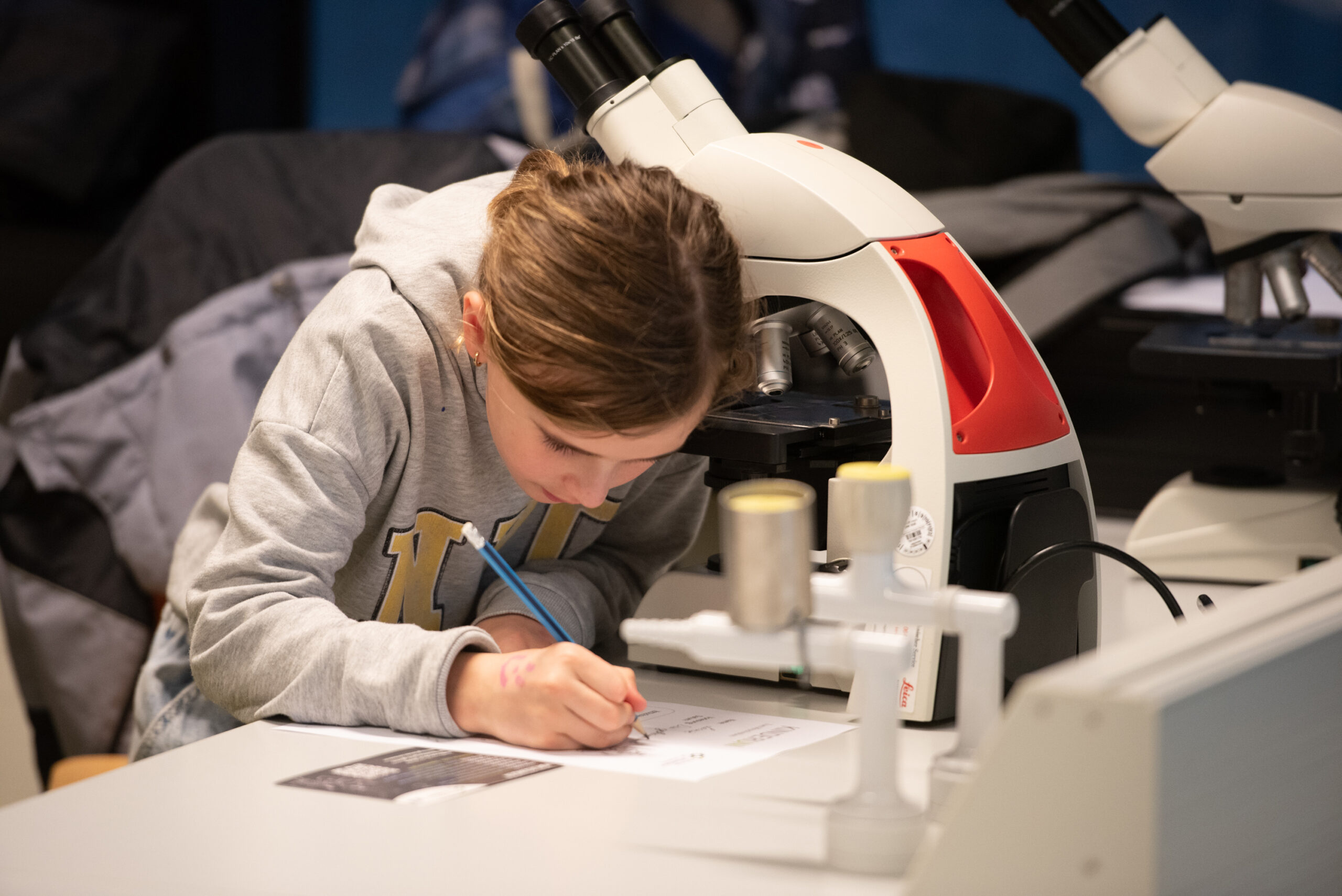
Rather than simply listening to lectures, participants are encouraged to become young researchers themselves. The KINDERUNI programme combines scientific explanations with experiments, observations and practical activities, allowing children to discover how scientific principles relate to their everyday lives.
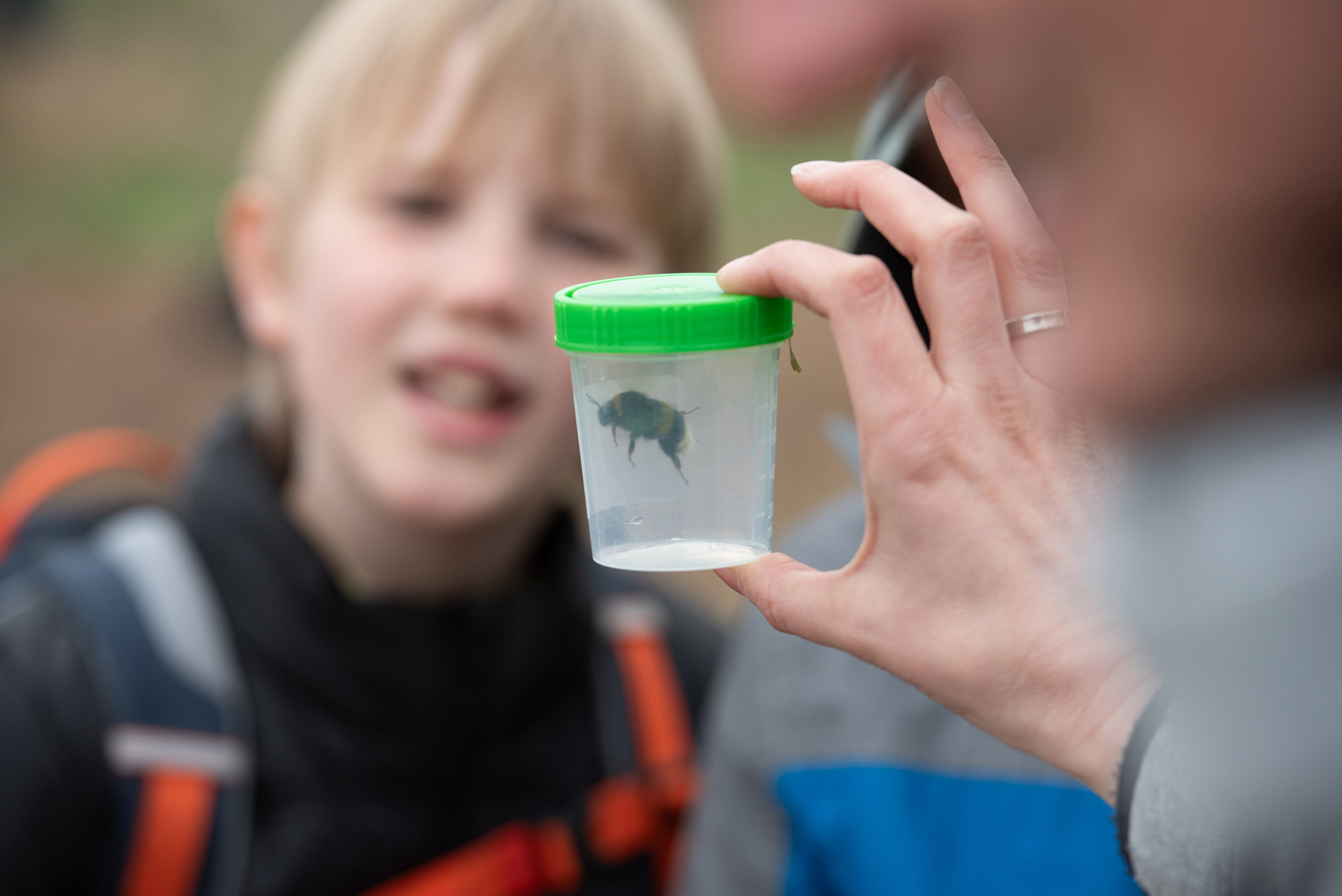
The 2026 programme covers a diverse range of subjects, including fungi, friction, pollinators, mechanics, vegetable production, thermal engineering, fruit juices and bionics. The topics reflect the broad scientific profile of Hochschule Geisenheim University, while introducing children to key areas of STEM education – science, technology, engineering and mathematics.
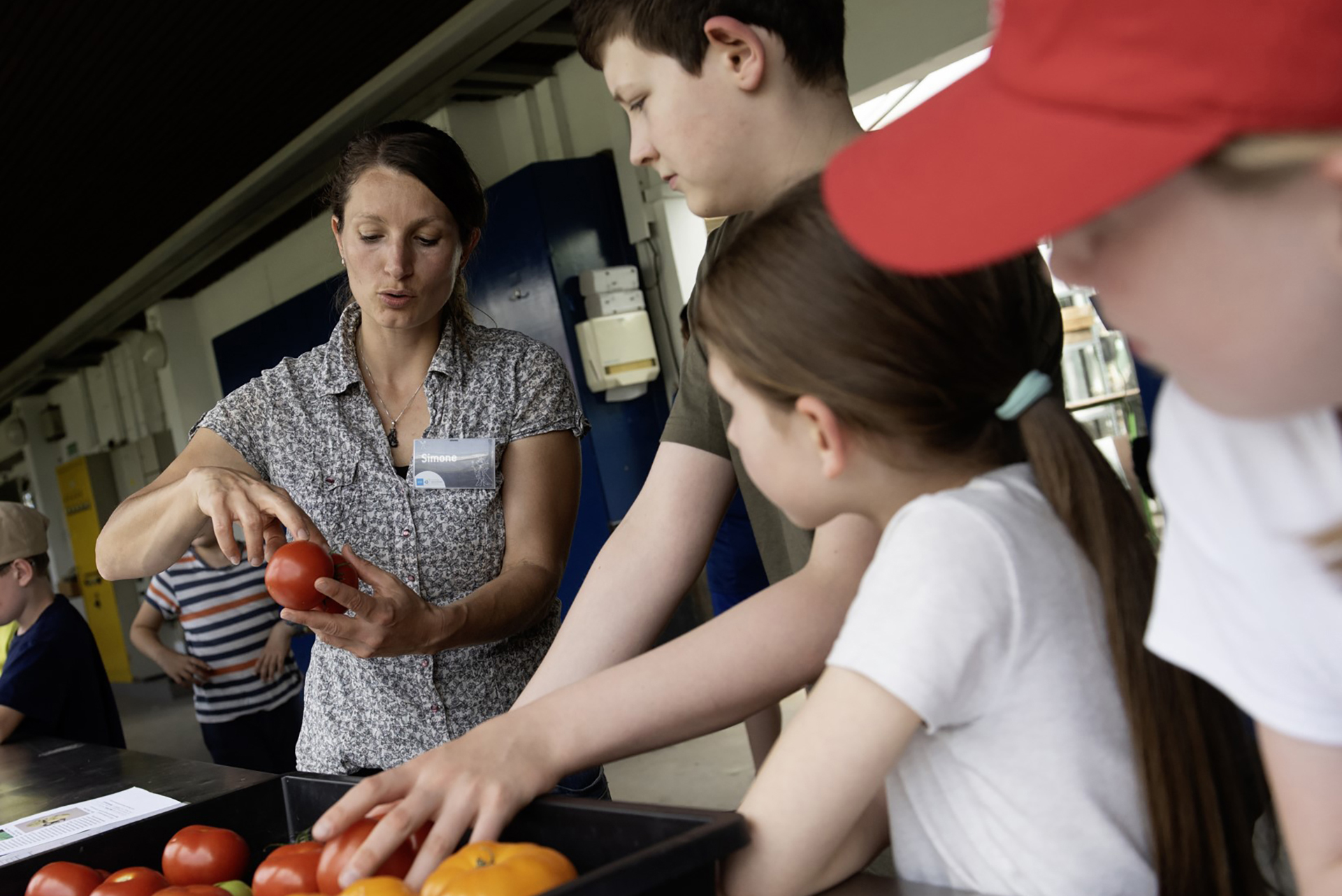
One of the programme’s sessions, for example, explores the origins of everyday vegetables. During the event “Where Does Our Vegetable Come From?”, children visit the university’s greenhouses and learn how tomatoes and cucumbers are cultivated. They investigate the stages involved in producing fresh vegetables and discover how plants are structured and how their products reach consumers.
Another session, “Saftari – An Expedition into the World of Fruit Juice”, takes young researchers into the science behind fruit juices. Participants press fresh apple juice, taste different juices and conduct simple experiments to investigate properties such as sugar, acidity and vitamin C.
Encouraging curiosity beyond the classroom
The KINDERUNI programme aims to demonstrate that science is not something that exists only in textbooks or laboratories. It can be found in everyday experiences – from the food on our plates to the temperature of a drink, the mechanics of movement or the remarkable solutions found in nature.
The programme also provides children with an opportunity to become familiar with a university environment at an early age and to meet researchers and experts in their fields. By presenting scientific questions in an accessible and interactive format, Hochschule Geisenheim University seeks to encourage curiosity and inspire the next generation to explore STEM subjects.
The final session of the 2026 programme will focus on bionics, examining how humans can learn from successful solutions developed by nature. The event will demonstrate how observations of plants, animals and natural processes can inspire technological innovations.
A diploma for young researchers
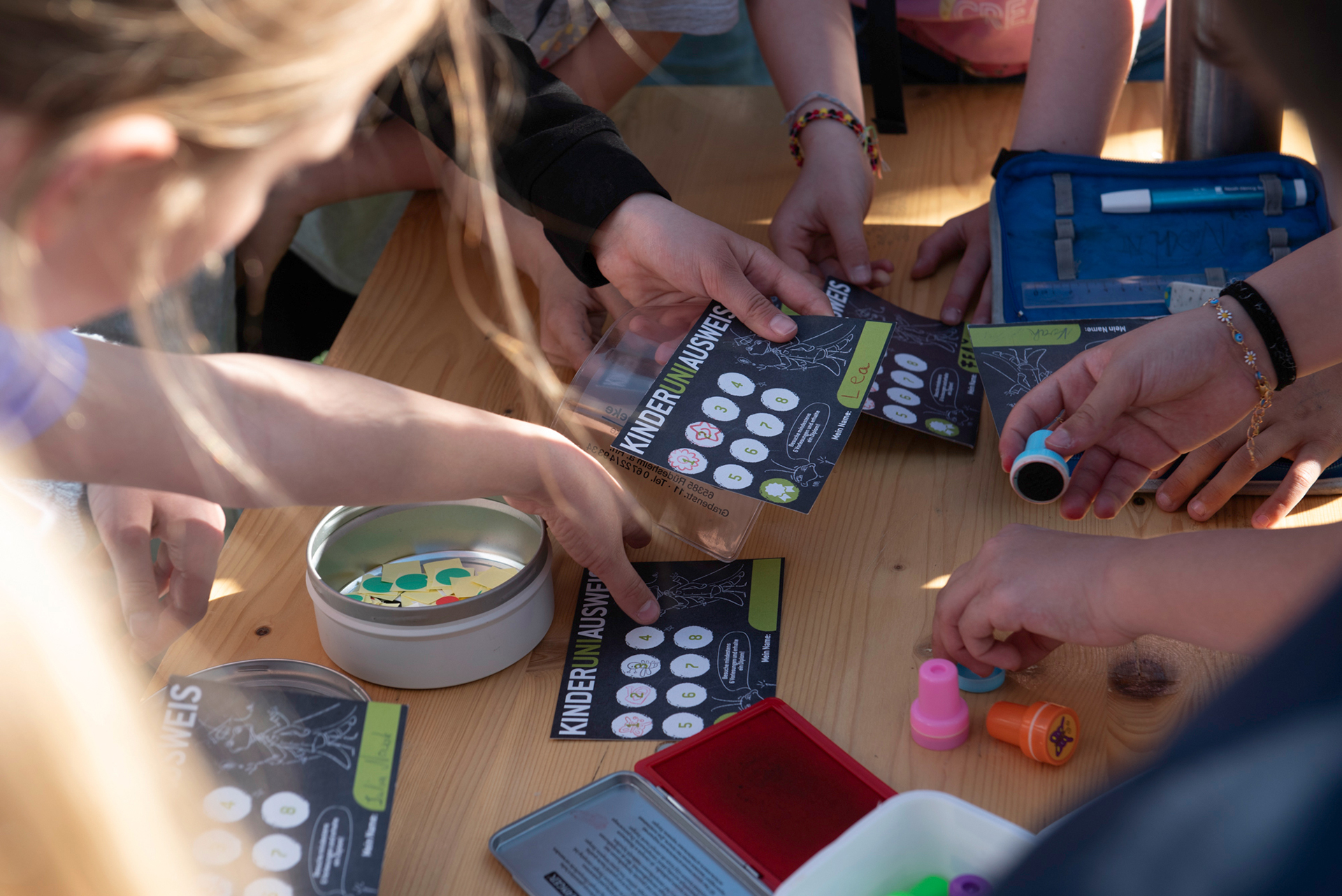
Participation in the KINDERUNI can also lead to a special achievement. Children who attend at least six of the eight lectures receive a KINDERUNI Diploma. The certificates are scheduled to be presented in a special ceremony at Hochschule Geisenheim University in November 2026.
The programme is open exclusively to children in grades 3 to 6 and takes place without parents. Each event requires separate registration, which generally opens approximately two weeks before the respective session.
With KINDERUNI, Hochschule Geisenheim University is strengthening its commitment to communicating science beyond the academic community and to fostering an early interest in research, technology and innovation.

©HGU / Dirk Klinner for all pictures