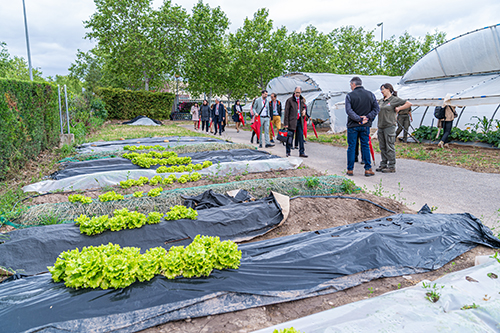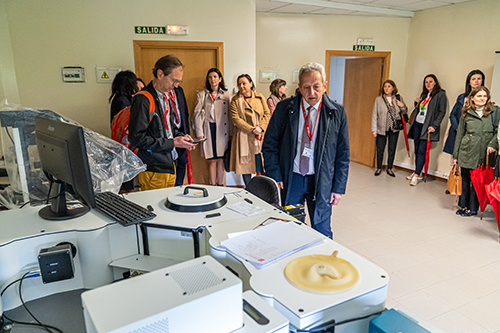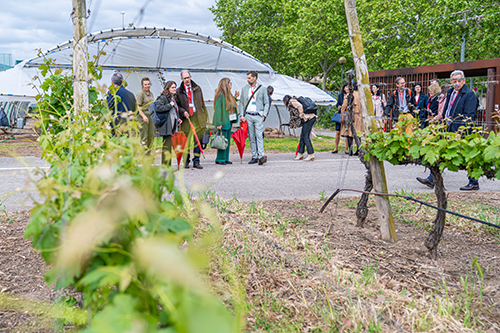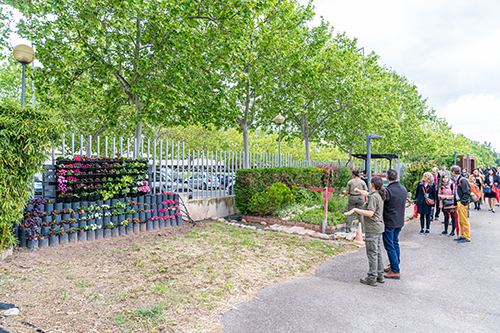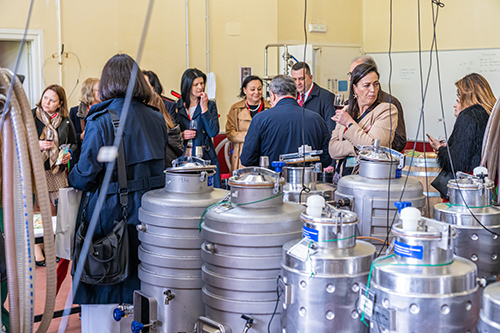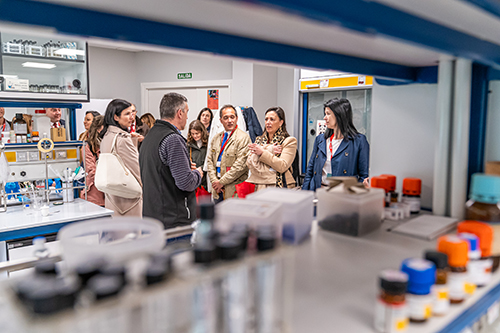
First steps of the EU-GIFT European university alliance led by the University of La Rioja EU – GIFT
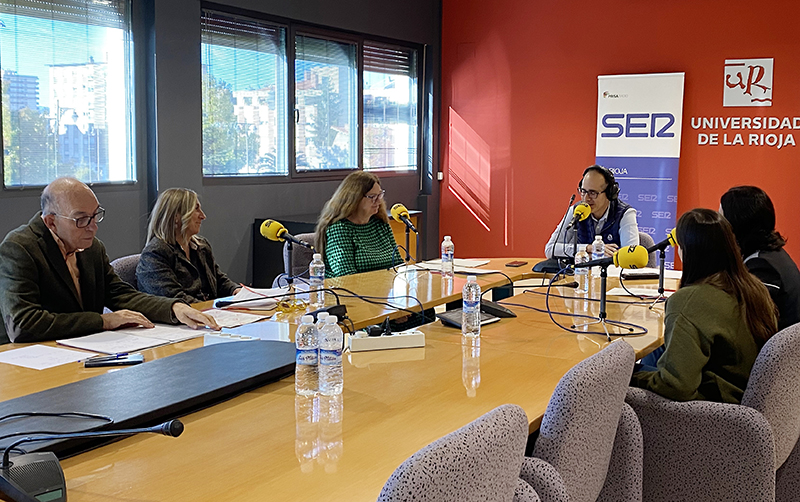
The Vice-Chancellor of the University of La Rioja, Eva Sanz, and her predecessor, Juan Carlos Ayala; the Vice-Rector for Internationalisation, Carmen Novo, and the head of the Enorregión project at the University of La Rioja, Elena González Fandos, analyse the first steps of the EU-GIFT European university alliance, spearheaded by the University of La Rioja, on Cadena Ser’s Radio Rioja programme.
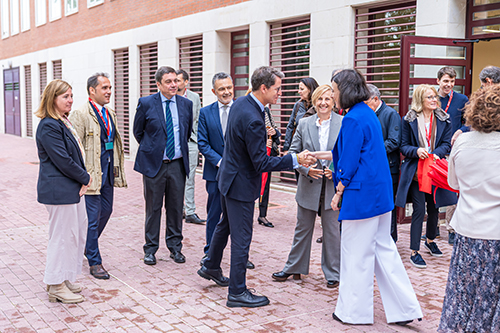
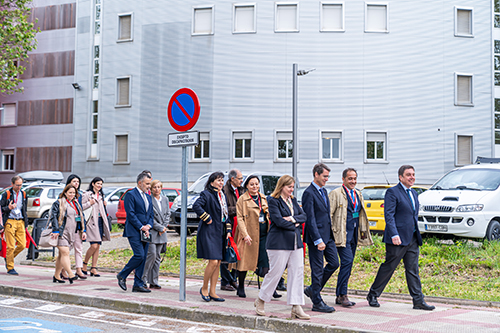
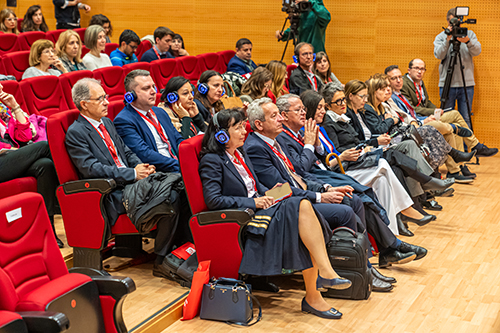
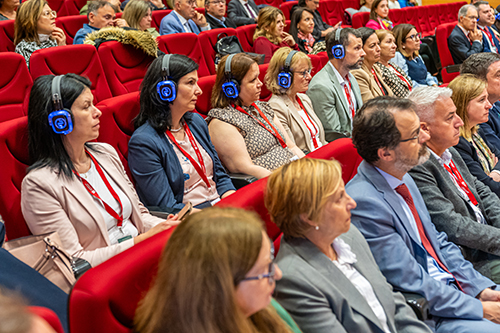
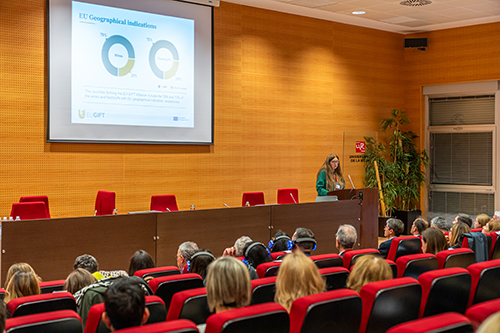

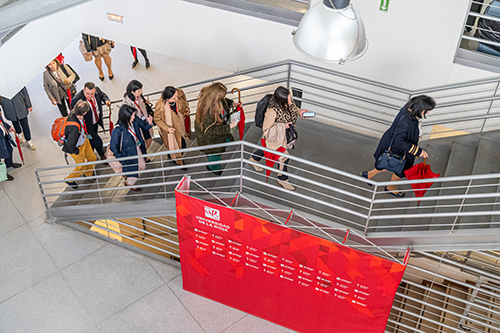
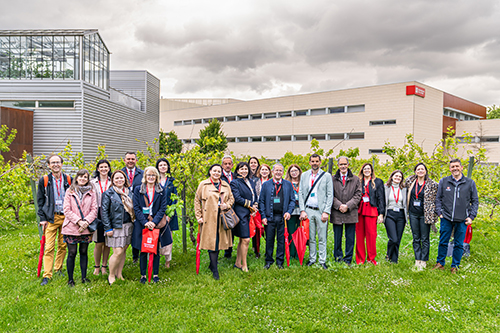
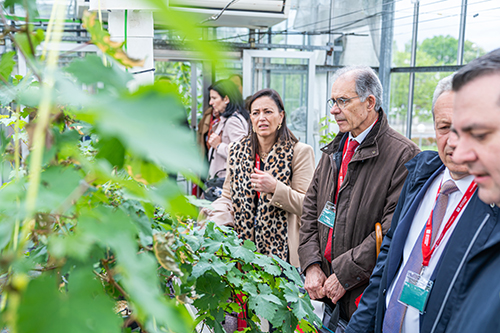
The rector of the University of La Rioja, Eva Sanz, initially scheduled to attend the opening ceremony, will participate in the “Choose Europe for Science” conference in Paris on Monday, May 5. The conference will be led by the President of the French Republic, Emmanuel Macron, and the President of the European Commission, Ursula von der Leyen, to try to attract scientists abroad, particularly in the United States, to Europe. Eva Sanz has received an invitation from French President Emmanuel Macron as the highest representative of the European university alliance EU-GIFT.
The president of the regional government, Gonzalo Capellán, emphasized that this is a day of “transcendental importance, not only for the University of La Rioja but for our region for two fundamental reasons . “
First, he referred to the “university alliance ,” led by the UR, which allows “us to pool knowledge and training to look to the future and be competitive by joining forces internationally . “
On the other hand, Capellán has mentioned the “focus of this alliance on specialization in the field of quality products to achieve, through innovation, the sustainability of agri-food companies” , a sector that in La Rioja represents 21% of the gross added value of our economy and 16% of employment, so “we are talking about one of the industries that supports the pillar of the Riojan socioeconomic sphere and our future” .
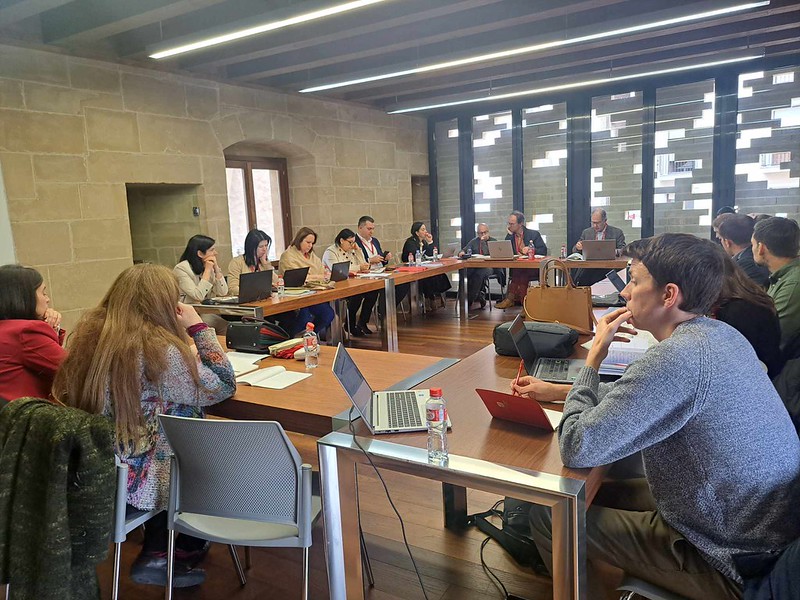
Eduardo Fonseca, Vice-Rector for Scientific Policy, noted that the EU-GIFT alliance believes that the university “is not just an academic space, but an essential part of the social and cultural fabric of our land.”
In this regard, he stated that “by harnessing the transformative power of higher education institutions, the EU-GIFT European alliance is committed to fostering innovation, offering quality education, research applied to the needs of the sector, and promoting inclusive economic development in rural communities.”
Finally, he emphasized that EU-GIFT “focuses on the importance of our land, our geographic identity, our products, and our commitment to building a more sustainable and better society every day.”
For his part, Conrado Escobar, Mayor of Logroño, highlighted the geostrategic importance of EU-GIFT, since “where some seek to raise barriers, here they raise alliances . “
Elena González Fandos, professor of Food Technology at the University of Valencia and head of EU-GIFT, emphasized how the countries grouped in this alliance account for 70% of wines and foods with protected designations of origin and indications.
Finally, Emídio Gomes, rector of the University of Tras–os–Montes and Alto Douro (Portugal), graphically described this alliance as “a Champions League in this area of agri-food and winemaking” which, in the case of the Iberian Peninsula, has two regions with great importance in the agri-food sector: Northern Portugal and La Rioja.
AREAS OF SPECIALIZATION AND EXPECTED RESULTS
AREAS OF SPECIALIZATION AND EXPECTED RESULTS
The main lines of work of the EU-GIFT university alliance, which will begin to be developed at this first kick-off meeting, are as follows:
- Specialized academic training
EU-GIFT focuses on quality education in key areas such as agricultural engineering, viticulture and oenology, food safety and technology, and sustainability in agri-food production. Bachelor’s degrees, joint master’s degrees, and doctoral programs will be offered, promoting international mobility and interdisciplinary training. Micro-credentials will also be developed.
- Research and innovation for sustainability
The alliance’s research centers will work on improving value chains for the production of food and beverages with a geographic identity. Collaborative projects between universities, companies, and local communities will be promoted, generating applied knowledge in agroecology, digitalization of the agri-food sector, and the circular economy.
- Knowledge transfer and connection with society
EU-GIFT will facilitate technology transfer and entrepreneurship through startup incubation programs, continuing education courses, and applied innovation projects. Collaborations with the agri-food industry will be promoted, fostering the creation of new sustainable business models and job creation in participating regions.
- Commitment to sustainability and territorial development
The alliance seeks to promote sustainable rural development by promoting products with designations of origin and differentiated quality. It will also work on climate change adaptation strategies and the promotion of more ecological and resilient production systems, ensuring the economic and social viability of local communities.
Among the project’s expected initial results are the creation of joint master’s and doctoral degrees with residencies at alliance universities, as well as the development of research projects driven by scientific teams from participating universities. The network created by the alliance will also provide a partner for competing in European project calls.